Indoor Hydroponic Garden System: Herbs & Greens Year-Round
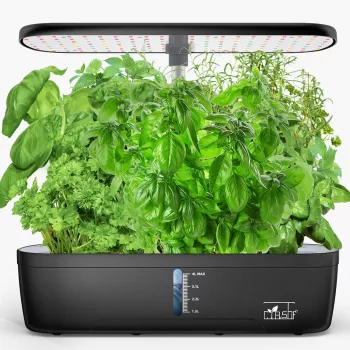
Indoor Hydroponic Garden System for Fresh Herbs and Greens at Home
An indoor hydroponic garden system makes it possible to grow herbs, leafy greens, and small veggies year-round without soil. With a compact unit on a counter or shelf, you can keep dinner staples like basil and lettuce within arm’s reach, even in apartments, kitchens, and home offices. The key is choosing a system that fits your space, following a simple first-week routine, and sticking to an easy maintenance schedule that prevents most issues before they start.
Why hydroponics works well indoors
Hydroponics replaces potting soil with a water-and-nutrient solution, which is a big win indoors where mess matters. Without soil to spill, cleanup is usually limited to an occasional wipe-down and a scheduled reservoir refresh.
Many growers also see faster growth compared to traditional pots because roots get consistent access to water, oxygen, and nutrients. Pair that with steady indoor lighting, and it’s easier to keep results consistent across seasons—no surprise cold snaps or scorching afternoons. For households that cook often, the convenience is hard to beat: snip herbs minutes before meals and keep repeat grocery runs for greens to a minimum.
What to expect from an indoor hydroponic garden system
Most countertop hydroponic units share a few core parts:
- A reservoir that holds water plus dissolved nutrients.
- Hydration/oxygenation via a small pump or a passive design, depending on the model.
- Plant sites (pods, baskets, or slots) sized for herbs and leafy greens.
- A grow light built in (or clear compatibility with a nearby light source) so plants get consistent light indoors.
- A compact footprint designed for counters, shelves, or a dedicated “plant corner.”
For background on hydroponic methods and terminology, the USDA National Agricultural Library is a helpful starting point. And for safe handling of fresh produce, the FDA’s food safety guidance is worth a quick read.
Featured pick: Indoor Hydroponic Garden System
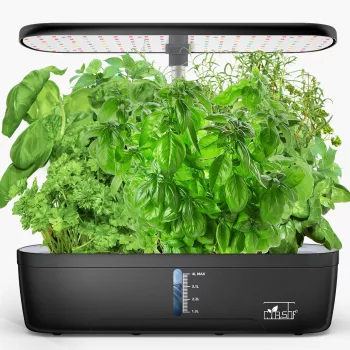
If you want a straightforward way to start an indoor herb-and-greens routine, the Indoor Hydroponic Garden System is a compact option that keeps the setup approachable. Place it near a reliable outlet and on a surface that can handle the occasional splash during refills—especially in the first couple of weeks as you dial in your routine.
Starter-friendly crops for this style of system include basil, mint, parsley, cilantro, lettuce, arugula, and baby greens. For current pricing, photos, and availability, use the product page link above.
At-a-glance checklist before buying
| Need | Why it matters | Quick check |
|---|---|---|
| Space | Determines where the unit can live long-term | Measure countertop/shelf width and available height for light clearance |
| Light schedule | Plants need consistent hours of light daily | Confirm timer or plan a routine (often 12–16 hours/day for leafy greens) |
| Refill routine | Water level changes quickly in warm rooms | Plan to check levels every 2–3 days at first |
| Cleaning | Prevents algae and odor | Look for easy-access reservoir and parts that rinse clean |
| Crop choice | Some plants outgrow small systems | Start with herbs/greens before trying fruiting plants |
Quick setup and first-week routine
A calm first week sets the tone for the whole grow cycle. Aim for stable conditions rather than constant tweaking.
- Rinse the reservoir and any removable parts to remove packaging dust.
- Fill with clean water; add nutrients according to the nutrient label (avoid guessing—overfeeding can stress seedlings).
- Start seeds in the provided pods/media, or transplant small seedlings only after roots are established.
- Set the light height/distance so seedlings don’t stretch; raise gradually as plants grow.
- During week one, prioritize a stable water level and steady light timing over frequent adjustments.
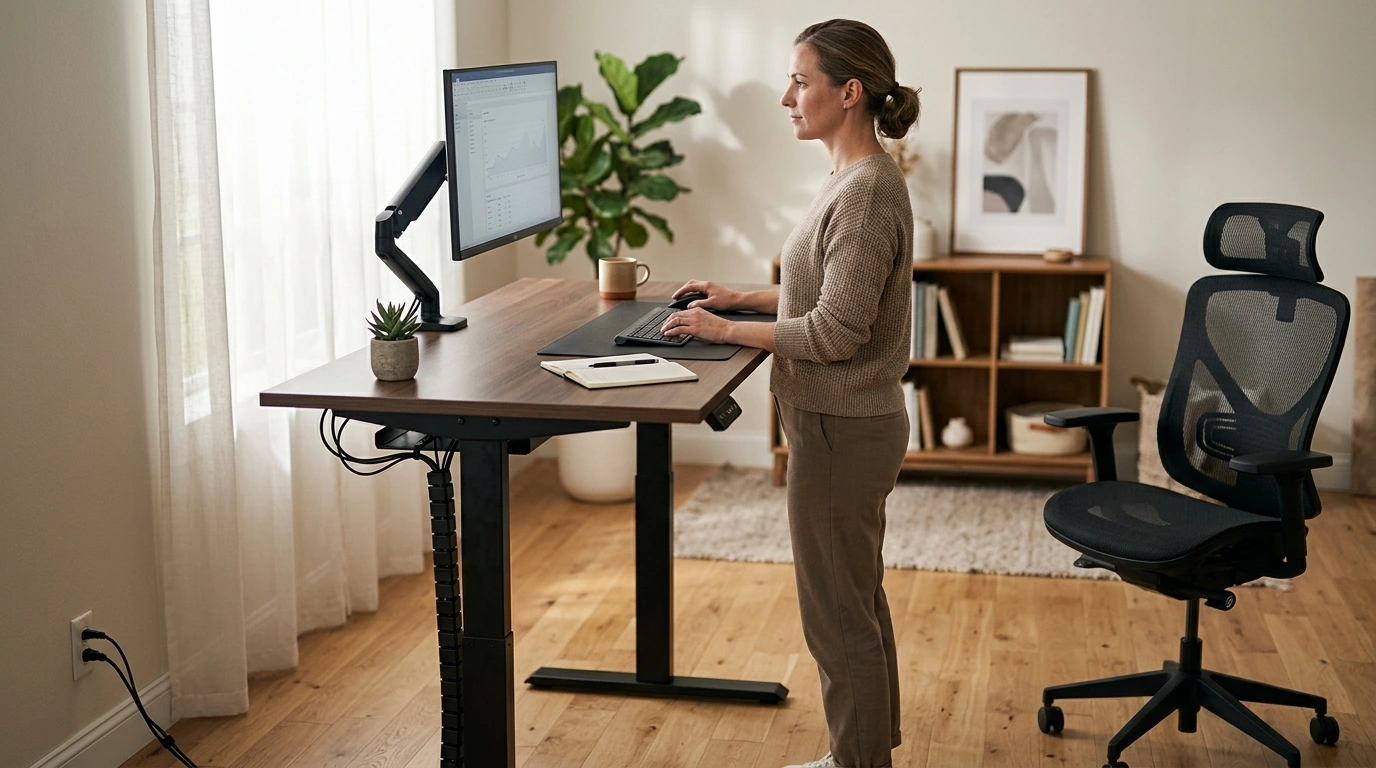
If your garden lives in a home office, a tidy setup helps it blend into daily life. Pairing a plant shelf or garden station with a clean workspace—like an Electric Height-Adjustable Standing Desk—can make it easier to check water levels and prune quickly without cluttering the kitchen.
What to grow first (and what to avoid early on)
Small indoor systems shine with fast, forgiving crops. Leafy greens and many herbs tolerate minor mistakes and reward you quickly.
Beginner-friendly crop guide
| Plant | Why it’s beginner-friendly | First harvest window (typical) |
|---|---|---|
| Lettuce | Fast, forgiving, light feeding | 3–6 weeks |
| Basil | Thrives under steady light; easy to prune | 4–8 weeks |
| Arugula | Quick sprouter; great for cut-and-come-again | 3–5 weeks |
| Chives | Low drama; steady regrowth after trimming | 4–8 weeks |
| Parsley | Hardy once established (slow start) | 6–10+ weeks |
Maintenance that prevents most problems
When the harvest starts rolling in, having a reliable pan for roasting veggies or finishing herb-forward dishes can make the most of your fresh cuttings. If you cook often, a Curry Nonstick Roaster with Rack is a simple add-on for meal prep days.
Troubleshooting: common signs and fast fixes
Placement, safety, and daily-life fit
Is it worth it for everyday cooking?
FAQ
How often does the water need to be changed in an indoor hydroponic system?
Many indoor systems do best with a full reservoir change about every 1–2 weeks. Change it sooner if you notice odor, cloudiness, or algae, and follow the nutrient brand’s directions for mixing and refresh timing.
Can tap water be used for hydroponics indoors?
Tap water works well for many growers, but results can vary with hardness and chlorine levels. If plants seem stressed or buildup appears, try letting water sit out, switching to filtered water, and keeping nutrient strength consistent.
What are the easiest plants to grow in a small indoor hydroponic garden?
Lettuce, basil, arugula, and chives are popular starters because they grow quickly and don’t require heavy feeding or structural support. Larger fruiting plants like big tomatoes or cucumbers are usually harder in small countertop systems due to space and support needs.









Leave a comment