Homework Help Made Easy: Printable Homework Routine System

Busy school nights run smoother when kids know what to do, where to do it, and how to keep going without constant reminders. A simple homework system turns “Do your homework” into a repeatable routine with clear expectations—so parents can coach skills (not just finish assignments) and kids can build confidence, focus, and independence.
Start with a simple homework system (not a longer to-do list)
Before adding new planners, apps, or rules, lock in two basics: one consistent start time and one consistent location. Consistency reduces negotiations and helps homework feel automatic.
- Pick one start time and one spot (even if it’s not perfect yet). Adjust later after it’s stable.
- Define what “done” means: completed, checked, packed, and ready to turn in.
- Separate roles: parent as coach (prompting, modeling, checking), child as doer (writing, solving, editing).
- Use a short “same-start” routine: unpack, review tasks, choose first task, set a timer.
If homework keeps dragging, focus on the routine steps rather than adding more reminders. A predictable start often fixes half the resistance.
Create a homework-friendly space that reduces friction
A homework space doesn’t need to be fancy. It needs to be ready. The goal is to prevent the small disruptions—missing pencils, dying devices, searching for papers—that quietly erode attention.
- Keep supplies within arm’s reach: pencils, paper, charger, calculator, ruler, sticky notes.
- Reduce decision fatigue with a prepared surface and a single designated spot for school materials.
- Match environment to the task: quiet for reading/writing; light background noise can be fine for routine practice if it doesn’t slow work.
- Use a visual cue for focus time (timer, sign, headphones) so siblings know interruptions aren’t allowed.
Quick setup checklist for a calmer homework station
| Element | Goal | Simple option |
|---|---|---|
| Work surface | Clear start and fewer distractions | Dedicated desk or cleared table space |
| Lighting | Less fatigue and better focus | Bright lamp aimed at workspace |
| Supplies bin | No searching mid-task | Small caddy with core supplies |
| Assignment landing zone | Nothing gets lost | One folder/tray labeled “To Turn In” |
| Time cue | Build pacing and independence | Kitchen timer or phone timer on Do Not Disturb |
If your child benefits from movement breaks or posture changes, a height-adjustable setup can help. An Electric Height-Adjustable Standing Desk makes it easier to alternate sitting and standing without turning homework into a constant “get up and wander” cycle.
Teach the habit loop: cue, routine, reward
Habits stick when the brain can predict what happens next. A simple cue-routine-reward loop makes homework feel less like a nightly debate and more like “this is just what we do.”
- Cue: a predictable trigger (snack, change clothes, 10-minute break) that signals homework starts next.
- Routine: a repeatable sequence (review tasks → pick first → set timer → work → check → pack).
- Reward: immediate and small (free time, music, a game, screen time) tied to completing the routine, not perfection.
- Fade rewards gradually after 2–3 weeks of consistency, keeping praise focused on effort and strategy.
For research-backed tips on supporting homework routines, see guidance from the U.S. Department of Education and the National Association of School Psychologists.
Use homework strategies that build independence
Independence grows when kids practice thinking steps—not when they get rescued from every hard moment. The parent’s job is to guide the process so the child can own the work.
For older students, studying improves when they learn how to organize practice over time (instead of cramming). The Institute of Education Sciences shares practical strategies that support long-term learning.
Handle common homework roadblocks without nightly battles
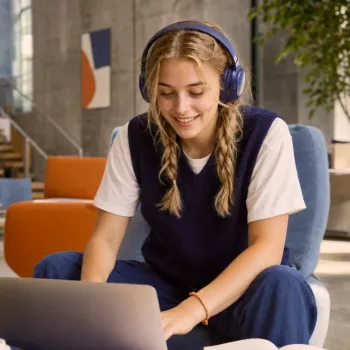
If your child concentrates better with sound cues or needs a “focus bubble” in a shared space, consider using simple headphones. Wireless Earbuds with Bluetooth 5.4 can support a consistent focus ritual (like quiet music or white noise) as long as it doesn’t slow down work.
A printable routine parents can reuse all year
Sample weekly rhythm for homework + studying
| Day | Focus | Parent support |
|---|---|---|
| Monday | List assignments and plan the week | Help estimate time and pick a project mini-goal |
| Tuesday | Practice + review notes | Prompt self-checking and organization |
| Wednesday | Project work block | Help break tasks into steps and set a mini-deadline |
| Thursday | Quiz/test prep | Use questions, flashcards, or practice problems |
| Friday | Clean-up and turn-in check | Confirm completed work is packed and ready |
Toolkit spotlight: Homework Help Made Easy Toolkit for Parents (printable)
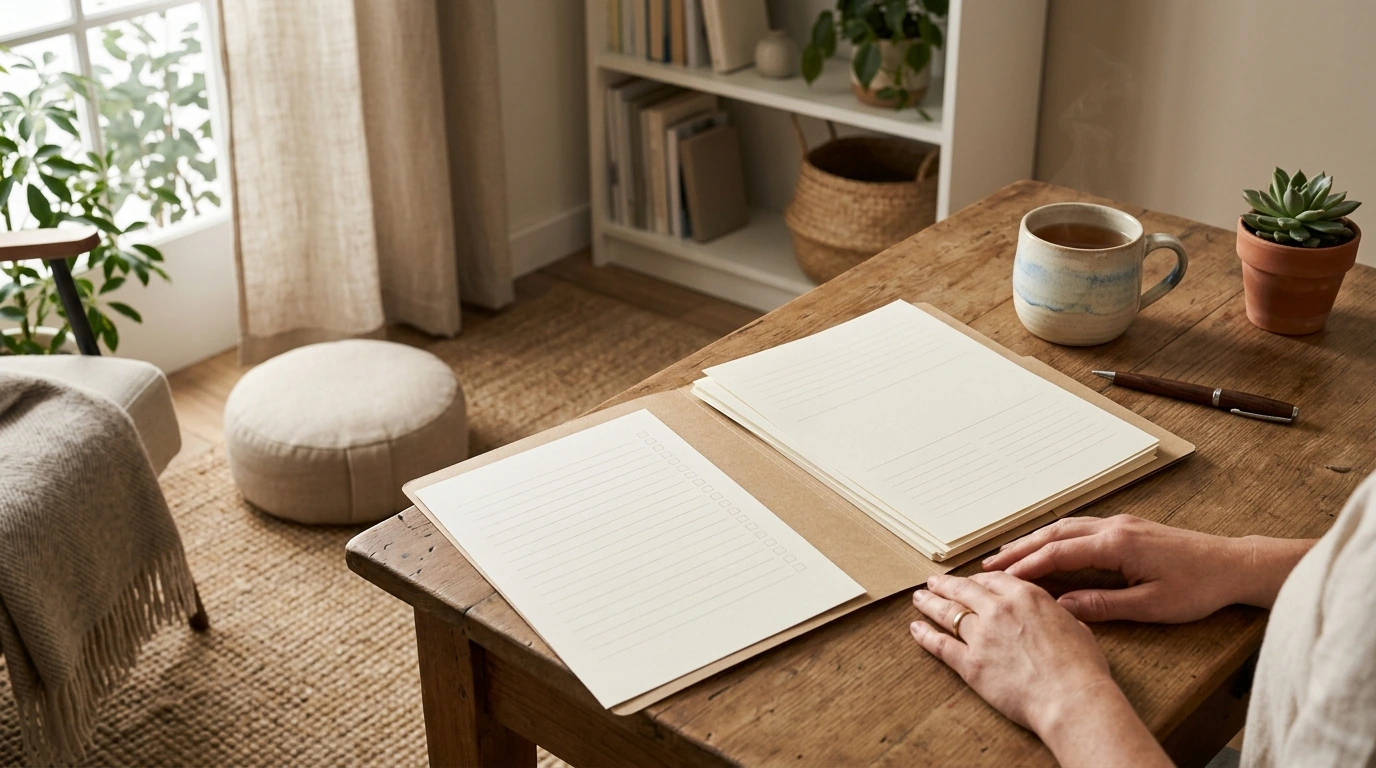
The Homework Help Made Easy Toolkit for Parents is built for families who want a clear routine, practical coaching prompts, and reusable pages for planning and follow-through.
FAQ
How long should nightly homework take?
A common guideline is about 10 minutes per grade level (for example, around 30 minutes in 3rd grade and about 60 minutes in 6th grade), but school expectations vary. If homework regularly runs far beyond a reasonable window even with focused work, track the time for a week and check in with the teacher.
What should a parent do when a child refuses to start homework?
Use a calm reset: restate the routine, offer a tiny first step (two minutes), and give limited choices (which subject first or where to sit). Keep consequences and rewards tied to starting on time, and avoid doing the assignment for them.
How can kids learn to study without a parent sitting рядом the whole time?
Use gradual release: model the process once, practice with prompts, then increase independent work blocks while you step back. Replace constant supervision with a checklist and brief scheduled check-ins (for example, a 2-minute review every 15–20 minutes).
Recommended for you


Busy school nights run smoother when kids know what to do, where to do it, and how to keep going without constant reminders. A simple homework system turns “Do your homework” into a repeatable routine with clear expectations—so parents can coach skills (not just finish assignments) and kids can build confidence, focus, and independence.
Start with a simple homework system (not a longer to-do list)
Before adding new planners, apps, or rules, lock in two basics: one consistent start time and one consistent location. Consistency reduces negotiations and helps homework feel automatic.
- Pick one start time and one spot (even if it’s not perfect yet). Adjust later after it’s stable.
- Define what “done” means: completed, checked, packed, and ready to turn in.
- Separate roles: parent as coach (prompting, modeling, checking), child as doer (writing, solving, editing).
- Use a short “same-start” routine: unpack, review tasks, choose first task, set a timer.
If homework keeps dragging, focus on the routine steps rather than adding more reminders. A predictable start often fixes half the resistance.
Create a homework-friendly space that reduces friction
A homework space doesn’t need to be fancy. It needs to be ready. The goal is to prevent the small disruptions—missing pencils, dying devices, searching for papers—that quietly erode attention.
- Keep supplies within arm’s reach: pencils, paper, charger, calculator, ruler, sticky notes.
- Reduce decision fatigue with a prepared surface and a single designated spot for school materials.
- Match environment to the task: quiet for reading/writing; light background noise can be fine for routine practice if it doesn’t slow work.
- Use a visual cue for focus time (timer, sign, headphones) so siblings know interruptions aren’t allowed.
Quick setup checklist for a calmer homework station
| Element | Goal | Simple option |
|---|---|---|
| Work surface | Clear start and fewer distractions | Dedicated desk or cleared table space |
| Lighting | Less fatigue and better focus | Bright lamp aimed at workspace |
| Supplies bin | No searching mid-task | Small caddy with core supplies |
| Assignment landing zone | Nothing gets lost | One folder/tray labeled “To Turn In” |
| Time cue | Build pacing and independence | Kitchen timer or phone timer on Do Not Disturb |
If your child benefits from movement breaks or posture changes, a height-adjustable setup can help. An Electric Height-Adjustable Standing Desk makes it easier to alternate sitting and standing without turning homework into a constant “get up and wander” cycle.
Teach the habit loop: cue, routine, reward
Habits stick when the brain can predict what happens next. A simple cue-routine-reward loop makes homework feel less like a nightly debate and more like “this is just what we do.”
- Cue: a predictable trigger (snack, change clothes, 10-minute break) that signals homework starts next.
- Routine: a repeatable sequence (review tasks → pick first → set timer → work → check → pack).
- Reward: immediate and small (free time, music, a game, screen time) tied to completing the routine, not perfection.
- Fade rewards gradually after 2–3 weeks of consistency, keeping praise focused on effort and strategy.
For research-backed tips on supporting homework routines, see guidance from the U.S. Department of Education and the National Association of School Psychologists.
Use homework strategies that build independence
Independence grows when kids practice thinking steps—not when they get rescued from every hard moment. The parent’s job is to guide the process so the child can own the work.
For older students, studying improves when they learn how to organize practice over time (instead of cramming). The Institute of Education Sciences shares practical strategies that support long-term learning.
Handle common homework roadblocks without nightly battles
If your child concentrates better with sound cues or needs a “focus bubble” in a shared space, consider using simple headphones. Wireless Earbuds with Bluetooth 5.4 can support a consistent focus ritual (like quiet music or white noise) as long as it doesn’t slow down work.
A printable routine parents can reuse all year
Sample weekly rhythm for homework + studying
| Day | Focus | Parent support |
|---|---|---|
| Monday | List assignments and plan the week | Help estimate time and pick a project mini-goal |
| Tuesday | Practice + review notes | Prompt self-checking and organization |
| Wednesday | Project work block | Help break tasks into steps and set a mini-deadline |
| Thursday | Quiz/test prep | Use questions, flashcards, or practice problems |
| Friday | Clean-up and turn-in check | Confirm completed work is packed and ready |
Toolkit spotlight: Homework Help Made Easy Toolkit for Parents (printable)
The Homework Help Made Easy Toolkit for Parents is built for families who want a clear routine, practical coaching prompts, and reusable pages for planning and follow-through.
FAQ
How long should nightly homework take?
A common guideline is about 10 minutes per grade level (for example, around 30 minutes in 3rd grade and about 60 minutes in 6th grade), but school expectations vary. If homework regularly runs far beyond a reasonable window even with focused work, track the time for a week and check in with the teacher.
What should a parent do when a child refuses to start homework?
Use a calm reset: restate the routine, offer a tiny first step (two minutes), and give limited choices (which subject first or where to sit). Keep consequences and rewards tied to starting on time, and avoid doing the assignment for them.
How can kids learn to study without a parent sitting рядом the whole time?
Use gradual release: model the process once, practice with prompts, then increase independent work blocks while you step back. Replace constant supervision with a checklist and brief scheduled check-ins (for example, a 2-minute review every 15–20 minutes).








Leave a comment