Beginner Holistic Wellness: Nutrition, Movement, Mindset

Whole You: A Beginner’s Holistic Wellness Guide for Nutrition, Movement, Mental Health, and Self-Care
Building a wellness routine can feel overwhelming when advice is scattered across diets, workouts, and self-help tips that don’t connect. A holistic approach treats daily habits as a system—food, movement, sleep, stress, and mindset working together—so small changes add up to steady progress. Below is a simple, beginner-friendly path to create a balanced routine, avoid common pitfalls, and track improvements without extremes.
What “Holistic Wellness” Means for Beginners
Holistic wellness is the practice of improving health by working with the whole picture rather than chasing one perfect habit. That means nutrition, movement, mental health, sleep, and practical self-care all matter—and they influence each other.
- Think system, not silos: skipped meals can increase stress; poor sleep can reduce workout consistency; strength training can improve mood and confidence.
- Use “minimum effective habits”: the smallest version you can repeat reliably. Consistency beats intensity.
- Aim for better daily functioning: steadier energy, fewer crashes, improved mood, and better recovery—rather than quick transformations.
- Start with 1–2 focus areas: stay consistent for 1–2 weeks, then layer in another habit.
A Simple Four-Pillar Framework
These four pillars keep wellness practical: you’re not trying to do everything—just enough in each category to feel better week over week.
| Pillar | Start Here (10–20 minutes) | How Often | What to Track |
|---|---|---|---|
| Nutrition | Protein + produce at one meal; add a water bottle habit | Daily | Hunger, energy, digestion |
| Movement | 15-minute walk + 5-minute mobility | Most days | Steps, stiffness, mood |
| Mental Health | 3-minute breathing or short journal prompt | Daily | Stress level, focus |
| Self-Care | Set a consistent bedtime window; screen-off cue | Most nights | Sleep duration, morning energy |
If you want a structured, step-by-step layout for these pillars, Whole You: Holistic Wellness Guide (Digital Download) is a simple way to keep your routine organized without overcomplicating it.
Nutrition Basics Without Perfection
Beginner nutrition works best when it’s flexible. Instead of “good” and “bad” foods, aim for a pattern that supports energy, fullness, and stable mood.
- Prioritize balance over restriction: keep favorite foods, but add nutrient-dense staples (protein, produce, fiber-rich carbs, healthy fats).
- Try the simple plate method: 1–2 palms protein, 1–2 fists vegetables/fruit, 1 cupped hand carbs, 1 thumb healthy fats (adjust based on hunger and goals).
- Create fallback meals for busy days: yogurt + fruit + nuts; rotisserie chicken salad; beans + rice + frozen veggies.
- Support digestion and energy: consistent meal timing and adequate fluids; avoid drastic swings in caffeine and sugar.
- If tracking helps: track behaviors (protein at breakfast, veggies at lunch, cooked at home) rather than only calories.
For general, science-based guidance on balancing nutrition and activity, the CDC’s Healthy Weight, Nutrition, and Physical Activity resources are a solid reference point.
Movement for Real Life: Strength, Cardio, and Mobility
Movement doesn’t have to be intense to be effective. The goal is to create a routine you can keep when life gets busy.
- Start with walking: it’s accessible, supports mood, and builds a baseline of daily activity.
- Add strength training 2–3x/week: bodyweight or light weights are plenty at first. Focus on core patterns: squat, hinge, push, pull, carry.
- Use mobility as a daily reset: 3–5 minutes for hips, spine, ankles, and shoulders can reduce stiffness—especially if you sit often.
- Progress gradually: increase only one variable at a time (time, reps, resistance, or frequency) to avoid burnout.
- Make follow-through easier: improve your environment so movement fits into your day, not just your “free time.”
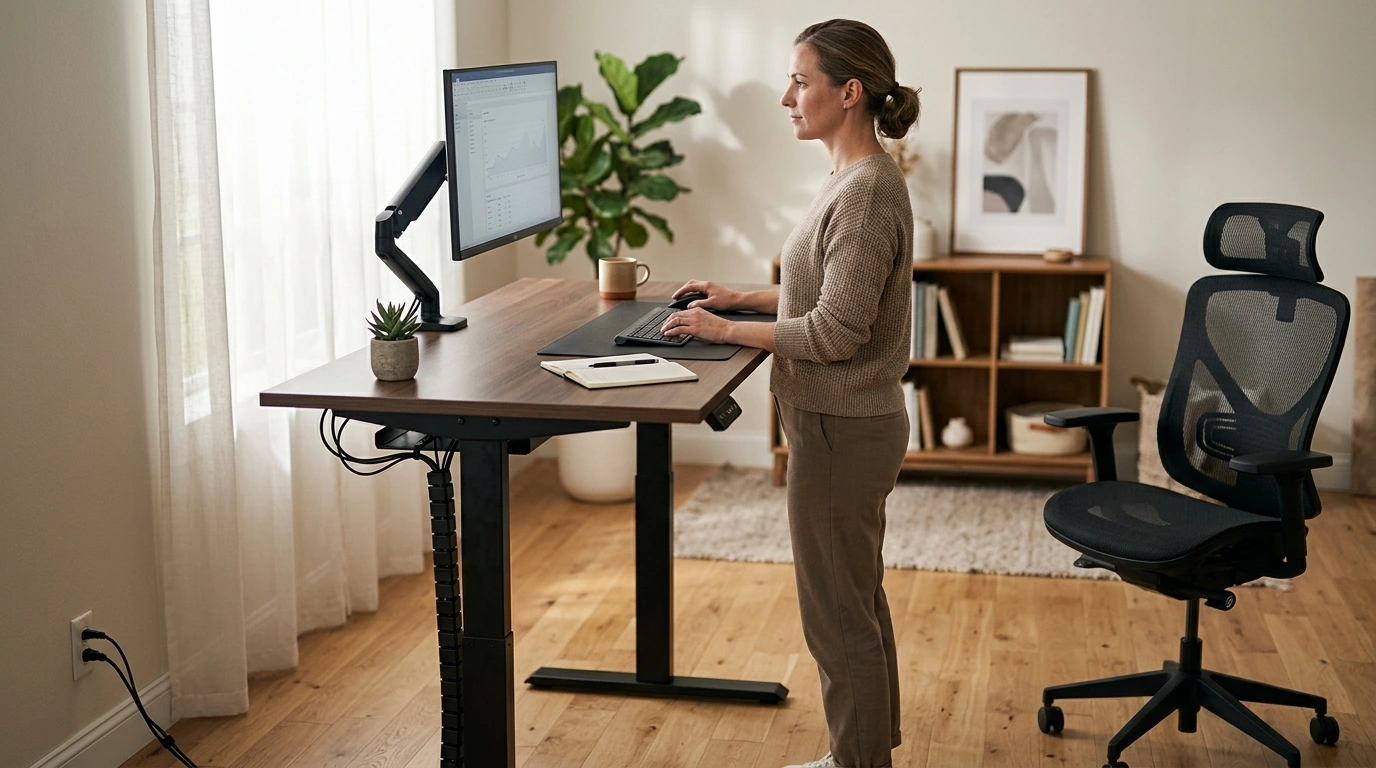
If you work at a desk, changing positions can make movement more realistic. An Electric Height-Adjustable Standing Desk can help you break up long sitting stretches and pair nicely with short mobility breaks.
For activity benchmarks and health benefits, the World Health Organization’s physical activity fact sheet offers clear, practical targets.
Mental Health: Stress Skills That Fit Into the Day
Mental health habits work best when they’re small enough to do on hard days. The win is repetition, not perfection.
If music or guided audio helps you stay consistent with walks, breathwork, or focus sessions, Wireless Earbuds with Bluetooth 5.4 can make those small daily practices easier to stick with—especially when you’re on the go.
Self-Care That Goes Beyond Spa Days
For sleep benchmarks and practical tips, the National Sleep Foundation is a helpful resource to keep expectations realistic.
Putting It Together: A 7-Day Beginner Routine
A Guided Option for Building Your Routine
For a beginner-friendly format that keeps nutrition, movement, mindset, and self-care connected, see Whole You: Holistic Wellness Guide (Digital Download).
FAQ
Is a holistic wellness routine expensive to start?
No—many of the best basics are free: walking, bodyweight strength workouts, hydration, a consistent sleep schedule, and short breathing or journaling practices. Optional tools can help, but they’re not required to see progress.
How long does it take to feel a difference from small habit changes?
Some people notice better energy and fewer cravings within days of improving hydration and sleep. Typically, 2–4 weeks brings steadier routines and mood, while 6–12 weeks is a common window for noticeable fitness changes.
What if motivation is inconsistent?
Build a “minimum version” of your routine for low-motivation days (like a 10-minute walk and a protein-forward meal). Use simple cues (calendar reminders, shoes by the door) and focus on consistency—intensity can come later.











Leave a comment