Safe Space Mapping: Build a Personal Safety Plan

A Guide to Safe Space Mapping: Understanding, Creating, and Using Safe Spaces
Safe space mapping is a practical way to identify where support exists, where risk concentrates, and how to move through environments with more clarity and choice. It can be used for personal wellbeing, community care, classrooms, workplaces, events, and online groups—especially when navigating stress, conflict, discrimination, or trauma triggers. This guide breaks down what safe spaces are (and are not), how mapping works, and how to turn a map into routines, boundaries, and actionable plans.
What “safe space” means in practice
Safety is multi-layered. Physical safety focuses on preventing harm; emotional safety involves respect and validation; social safety is about belonging; and informational safety includes privacy and control over personal data. A safe space isn’t the absence of disagreement—it’s an environment with clear norms that reduce harm, support repair, and protect people’s ability to step back when needed.
Safety is also temporary and context-dependent. Time of day, crowd size, power dynamics, and past experiences can all change how a space feels. Common signals of safety include clear expectations, predictable responses to conflict, options to step away, and access to supportive people or resources. For grounding context on trauma-informed approaches, see SAMHSA’s trauma-informed care resources and the American Psychological Association’s overview of trauma.
What safe space mapping is—and what it helps you do
Safe space mapping turns vague feelings into a structured picture of what raises or lowers wellbeing across places, people, routines, and digital settings. Instead of asking, “Is this safe or unsafe?” the map helps separate “uncomfortable but manageable” from “high-risk,” so planning is realistic rather than driven by fear or avoidance.
Mapping also supports decision-making: where to go, who to contact, what to bring, when to leave, and how to recover afterward. With consent, it can be a team tool to improve policies, event design, moderation, and accessibility—without requiring anyone to disclose personal history.
Core elements of a useful safe space map
- Locations: home zones, public places, transit routes, workplaces, classrooms, clinics, venues—and the transitions between them.
- People and roles: trusted contacts, allies, supervisors, peer supporters, moderators, and professional resources.
- Boundaries and permissions: what topics/behaviors are off-limits, what support is welcome, and what to do if boundaries are crossed.
- Tools and supports: grounding techniques, sensory aids, accessibility accommodations, exit plans, and communication templates.
- Risk flags: common triggers, known conflict points, harassment patterns, and higher-vulnerability times (fatigue, deadlines, isolation).
Types of safe spaces and how to recognize them
Labeling your map makes it easier to choose actions quickly. Many spaces are mixed and can shift over time, so focus on observable factors (policies, behavior patterns, access to help), not just impressions. Re-evaluate labels after incidents, major life changes, or changes in group leadership or moderation.
Quick reference: safe space types, indicators, and cautions
| Type of space | Typical indicators | Examples | Common cautions |
|---|---|---|---|
| Restorative | Clear norms, repair processes, accountability | Support group with facilitation, moderated community | Can feel intense; requires skilled leadership and follow-through |
| Quiet/low-stimulus | Low noise/light, minimal interaction required | Library corner, calm room, sensory-friendly zone | May be unavailable at peak times; access rules matter |
| Boundary-respecting | Consent-based conversation, no pressure to disclose | Friend who asks before advising, office with privacy | May still lack resources in a crisis |
| Resource-linked | Direct access to help, information, or services | Counseling center, HR/ombuds, community clinic | Confidentiality limits; paperwork and wait times can add stress |
| Conditional | Feels safe only with constraints (time, company, route) | A café during off-hours, a chat group with certain mods online | Safety can change quickly if conditions change |
Step-by-step: building a safe space map that you can actually use
Step 1 — Define the scope
Step 2 — List your anchors
Step 3 — Identify stress points
Step 4 — Add pathways and buffers
Step 5 — Assign actions
Step 6 — Test and revise
Using the map: routines, scripts, and decision rules
Ethics, privacy, and consent when mapping spaces and people
Avoid documenting sensitive details about other people without permission, and store private notes securely. When mapping shared environments, gather input voluntarily and protect anonymity. Treat maps as living documents rather than permanent labels, and if there’s risk of retaliation or surveillance, keep the map offline or use coded references. For additional trauma-focused resources, the National Child Traumatic Stress Network offers practical guidance for trauma-informed approaches.
Common challenges and ways to adapt
Helpful tools to support your safe space mapping practice
If you want a guided framework you can reuse, A Guide to Safe Space Mapping | Digital Ebook on Understanding, Creating & Using Safe Spaces provides structured prompts to translate feelings into categories, labels, and action steps—useful for personal reflection, peer support settings, and facilitation.
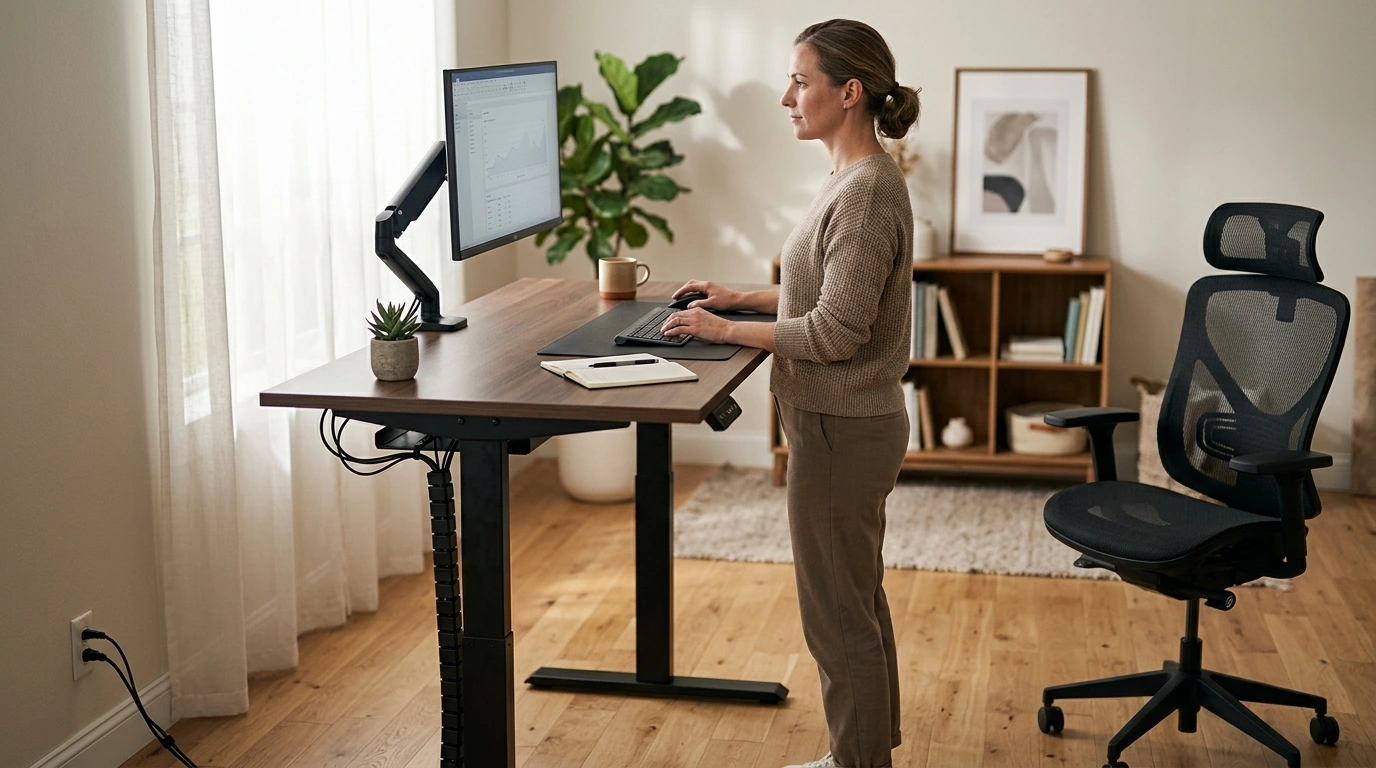
For environmental support, small changes can matter: a more adaptable workstation like an Electric Height-Adjustable Standing Desk can help create a predictable “anchor zone” for focus and regulation, while noise-management tools like Wireless Earbuds with Bluetooth 5.4, 75H Playtime, ENC Mic, IPX7 Waterproof can support transition buffers, sensory boundaries, and decompression routines.
FAQ
Is a safe space the same as a trigger-free space?
No. “Trigger-free” is rarely realistic, especially in shared environments; safe spaces focus on harm reduction, consent, predictable norms, and repair options—plus personal coping plans and exit choices.
How often should a safe space map be updated?
Update it after incidents, changes in routine or environment, or shifts in leadership/moderation. Otherwise, a quick monthly or quarterly check helps keep contacts, routes, and boundaries current.
Can safe space mapping be used for workplaces or classrooms without oversharing?
Yes. Keep it high-level (policies, procedures, access points, and clear options) and use consent-based, voluntary input—often anonymously—so the map supports safety without requiring personal disclosures.











Leave a comment