Orthopedic Memory Foam Bed for Small Pets (Washable)
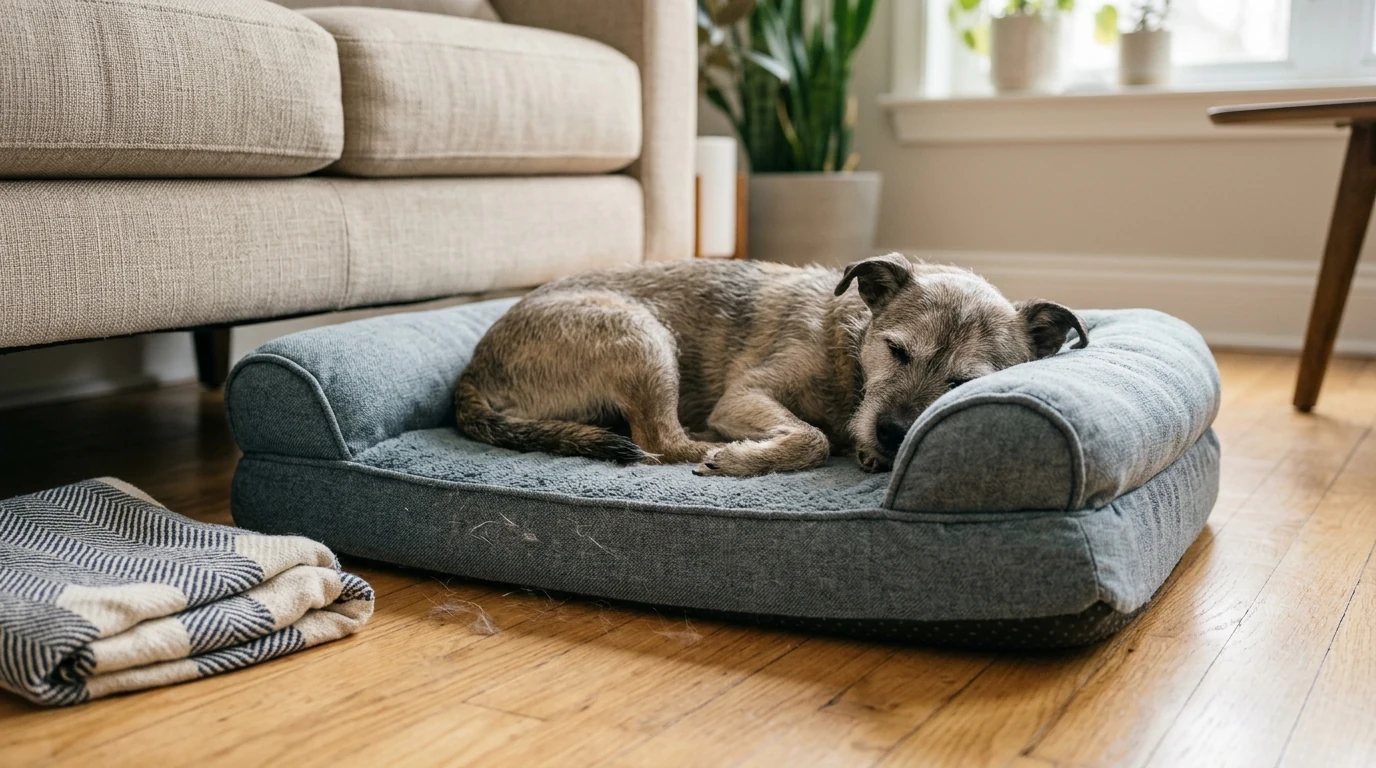
A supportive sleep surface can make daily rest noticeably easier for pets that like to curl, sprawl, or switch positions through the night. This orthopedic memory foam bed is designed for small dogs and cats, pairing pressure-relieving foam with a removable, washable cover for simpler cleanup.
At a glance: what this bed is made to do
- Provides a stable, cushioned surface intended to reduce pressure on joints and muscles during rest
- Memory foam layer conforms to the pet’s shape, helping distribute weight more evenly than flat stuffing
- Washable cover supports routine cleaning for shedding, dander, and everyday messes
- Sized and styled for small pets that prefer a defined sleeping spot on the floor, in a crate, or near furniture
Why orthopedic memory foam matters for small dogs and cats
Even smaller pets can deal with stiffness or sensitivity over time—especially if they hop on and off furniture, sleep on cooler floors, or rest on thin pads that compress quickly. A memory foam core is designed to contour where your pet makes contact, which can help reduce “hot spots” at common pressure points like hips, shoulders, and elbows.
That steady support can be particularly helpful for older pets or those that seem restless at night and frequently change positions. For pets with suspected joint discomfort, it’s still smart to talk with a veterinarian about mobility and pain signals; the AVMA overview of arthritis in dogs and International Cat Care guidance on arthritis in cats are good starting points for understanding what to watch for.
When evaluating any orthopedic-style bed, the “feel” matters: supportive enough to prevent bottoming out on hard floors, but not so firm that it creates new pressure areas.
Support and comfort features to look for
- Foam thickness: Thicker beds typically insulate better from cold tile or drafty floors and resist flattening.
- Foam response: Slow-rebound foam can soften pressure spikes when a pet plops down or shifts positions.
- Edge stability: Useful for pets that like to perch at the side or use an edge as a pillow without sliding off.
- Surface feel: Some pets prefer a cooler, smoother fabric; others settle faster on a softer, cozier texture.
- Non-slip base: Helps keep the bed in place on hardwood or tile, especially for pets that “circle” before lying down.
Washable cover: practical cleaning without damaging the bed
A removable cover is the difference between quick maintenance and a bed that slowly collects hair and odors. The best routine is simple: remove loose fur first, wash only the cover when needed, and keep the foam core as dry as possible so it maintains its shape and resilience.
- Prioritize a removable cover so dirt and fur can be cleaned without soaking the foam core.
- Follow care instructions: gentle cycles and low heat (or air-dry) help preserve fabric and zippers.
- Use a lint roller or vacuum first to reduce pet hair buildup in the washer.
- For odor control, spot-clean quickly and allow full drying before reassembly to prevent lingering smells.
- Consider adding a thin, washable blanket on top for pets that shed heavily or track in debris.
Simple cleaning routine (weekly to monthly)
| Task | How often | Quick tip |
|---|---|---|
| Vacuum or lint-roll the cover | Weekly | Focus on seams and corners where hair collects |
| Wash the removable cover | Every 2–4 weeks | Zip closed before washing to reduce wear |
| Spot-clean small stains | As needed | Blot first; avoid saturating the foam core |
| Air out the foam insert | Monthly | Place in a dry, shaded area for a few hours |
Choosing the right size and setup for small pets
Start by measuring your pet in their most common sleep styles: curled into a tight ball and fully stretched out. Those two measurements help you estimate the usable surface area your pet actually needs, not just how they look when standing.
- For curlers: A slightly smaller bed can feel secure and “den-like,” which some pets prefer.
- For stretchers: Choose a longer surface so paws and hips stay supported without hanging off the edge.
- For cats: Many prefer a snug, defined sleeping zone placed in a quiet corner (and sometimes slightly elevated).
- For small dogs: A spot near family activity can encourage daytime use, while a calmer area may help at night.
- If using a crate: Measure the crate floor carefully and leave room for door closure and airflow.
Who this bed tends to suit best
Everyday use tips for longer-lasting comfort
Product options in stock
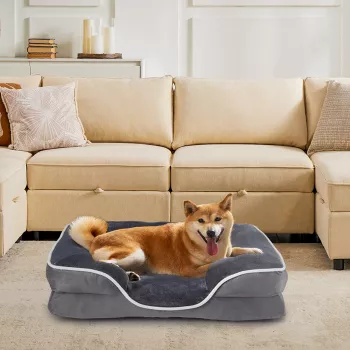
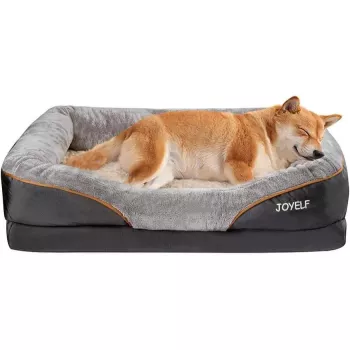
- Orthopedic Memory Foam Dog Bed for Small Dogs & Cats with Washable Cover ($32.51) — joint-friendly cushioning with a removable cover for easier cleanup.
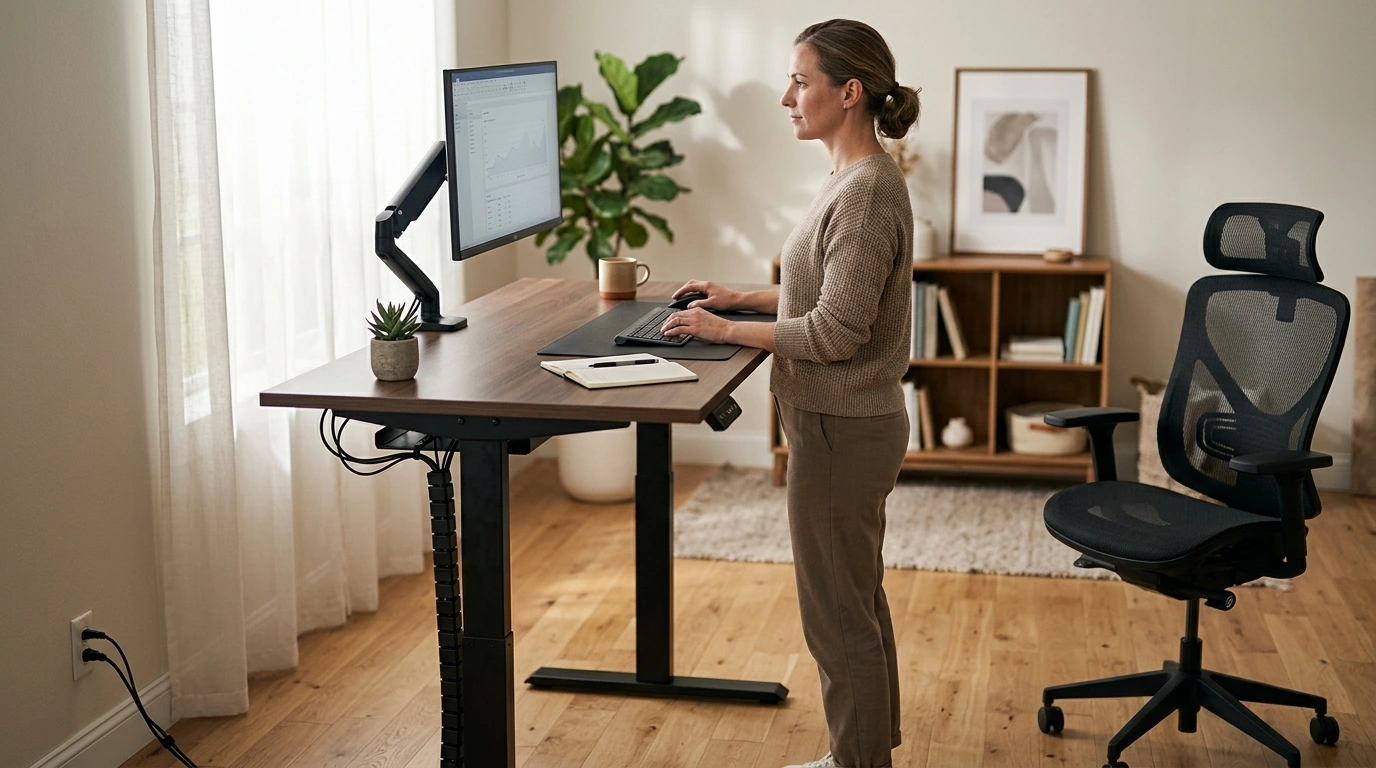
- Electric Height-Adjustable Standing Desk ($105.17) — a flexible workstation that makes it easy to keep a pet bed nearby while you work.
- Wireless Earbuds with Bluetooth 5.4, 75H Playtime, ENC Mic, IPX7 Waterproof ($27.51) — a convenient way to take calls or listen to audio while keeping the room calm and uncluttered.
FAQ
Can a cat use an orthopedic memory foam dog bed?
Yes—cats often enjoy the pressure-relieving support and stable surface. Choose a size that matches how the cat sleeps (curled vs stretched) and place it in a quiet, draft-free spot.
How often should the washable cover be cleaned?
Common routines range from weekly vacuuming or lint-rolling and washing every 2–4 weeks, with spot-cleaning as needed. Always let the cover dry completely before putting it back on the bed.
Is memory foam safe for puppies and kittens?
Generally yes for supervised rest, as long as the bed stays flat and stable and chewing on edges or zippers is prevented. If chewing becomes a habit, add a protective top blanket and redirect the behavior to appropriate chew toys.









Leave a comment