2-in-1 Cat Scratcher Lounge Bed: Durable Cardboard Board
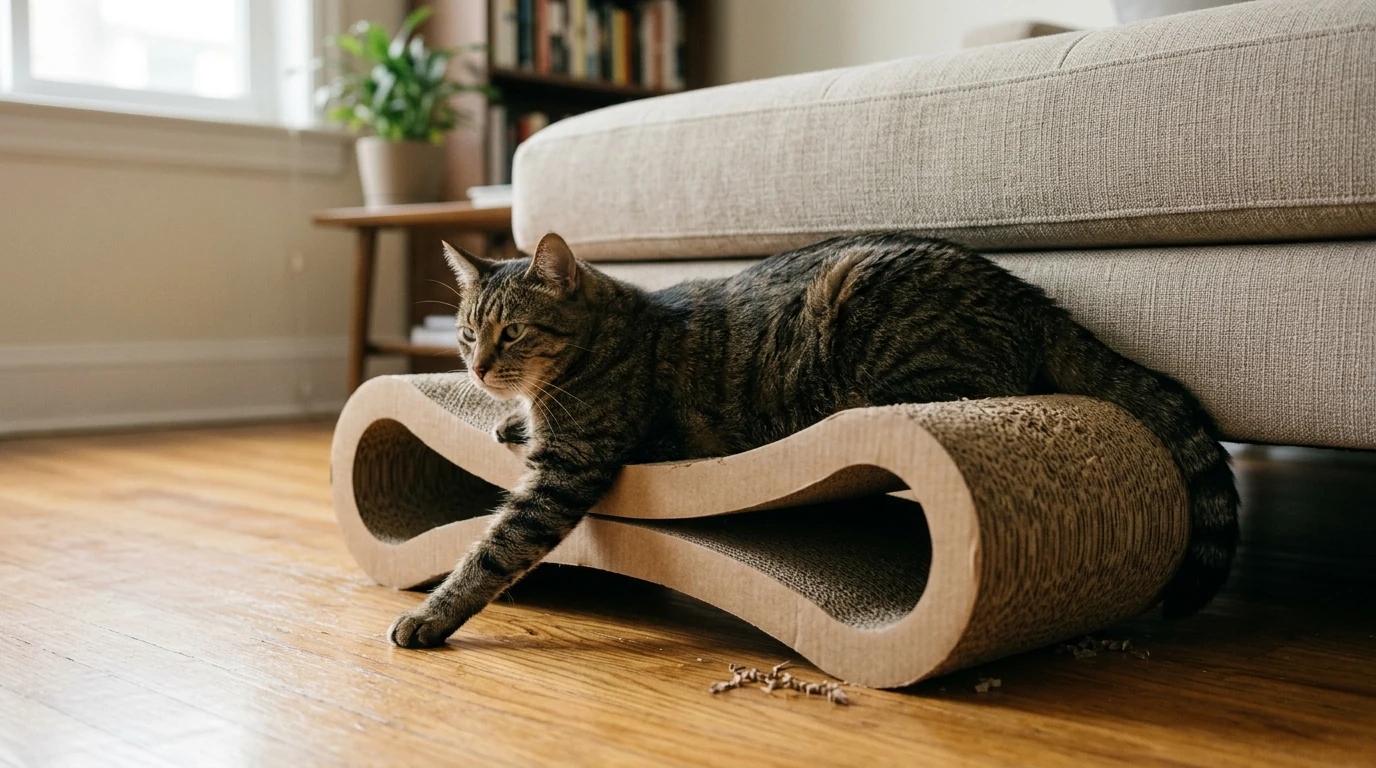
2 in 1 Cat Scratcher and Lounge Bed: Durable Cardboard Scratch Board for Daily Play and Rest
A scratcher that also works as a lounge spot can redirect clawing away from furniture while giving cats a cozy place to stretch, knead, and nap. This durable cardboard scratch board is designed to support natural scratching behavior and everyday relaxation in one simple, low-fuss piece.
Why cats need a dedicated place to scratch
Scratching isn’t “bad behavior”—it’s a normal, healthy routine. When a cat has an attractive place to scratch, it’s easier to protect sofas, rugs, and doorframes while meeting real physical and emotional needs.
- Claw maintenance: Scratching helps shed old nail layers and keeps claws functioning normally.
- Full-body stretching: A good scratch session engages shoulders, back, and hips—especially when the surface is long enough for an extended reach.
- Territory and comfort: Cats leave scent and visible marks when scratching, which can help them feel secure in their space.
- Furniture protection: An appealing scratch zone placed strategically can reduce “favorite corner” damage over time.
For more on why cats scratch and how to work with the behavior (not against it), see guidance from the ASPCA and International Cat Care.
What makes a scratcher durable enough for daily use
Cardboard scratchers vary widely. Some crumble quickly, while others stay satisfying under claws for much longer. The difference usually comes down to density, stability, and whether the shape encourages repeat use.
- Dense, layered corrugated cardboard: Tighter corrugation resists fast shredding and keeps a consistent “grab” for claws.
- Stable base: A scratcher that skids across tile or hardwood can be ignored—cats want something that holds still when they dig in.
- Lounge-friendly contour: Cats revisit what feels good; a curve that doubles as a rest spot turns the scratcher into a daily destination.
- Simple replacement and cleanup: For heavy scratchers, replaceable cardboard can be easier to manage than fabric-based options that hold hair and dander.
Quick durability checklist for a cardboard scratch board
| What to look for | Why it matters | How it shows up in use |
|---|---|---|
| Tight corrugation and thick layers | Slows breakdown and keeps texture consistent | Less wobble, fewer chunks coming off at once |
| Solid footprint | Prevents skidding on hard floors | Cats commit to scratching without “chasing” the scratcher |
| Comfortable curve or lounging surface | Increases repeat visits | Becomes a favorite spot, not just a scratch target |
| Easy cleanup and disposal | Makes upkeep realistic | Vacuum crumbs quickly; replace when worn |
How the 2-in-1 design supports both scratching and lounging
Many cats naturally follow a scratch-and-settle rhythm: they wake up, stretch, scratch, and then relax again. A 2-in-1 scratcher and lounge bed fits that flow by giving one familiar station for both activities.
- Scratch, then nap—same spot: A combined scratch-and-rest zone appeals to cats that like to curl up right after they’ve warmed up their muscles.
- Longer “hang time”: Lounging keeps a cat in contact with the scratcher, building a stronger habit than a scratch-only surface that’s used for a few seconds and abandoned.
- Small-space friendly: One compact piece can replace a separate bed and scratch post—handy for apartments and tight layouts.
- Concentrated activity: One preferred station can reduce random scratching around the home by giving cats a predictable place to do their thing.
Where to place it for the best results
Placement can make or break a scratcher—especially when a cat already has a preferred (and inconvenient) target.
Helping a cat choose the scratch board over furniture
- Make it the best deal: Sprinkle catnip (if your cat responds) or place a few treats nearby for the first week to create positive interest.
- Reward the right choice: Calm praise and a small treat right after scratching helps connect the action to a good outcome. Avoid punishment—stress can increase unwanted scratching.
- Match preferences: Some cats love horizontal scratchers; others want vertical surfaces. If your cat goes after carpet edges or upholstery, place the board where they already scratch and align it to mimic that feel.
- Temporarily protect the target: Cover the favorite furniture corner with a throw, a plastic shield, or double-sided tape while the scratch board becomes the new routine. The Humane Society offers practical tips on redirecting scratching here.
Care, cleanup, and when to replace a cardboard scratcher
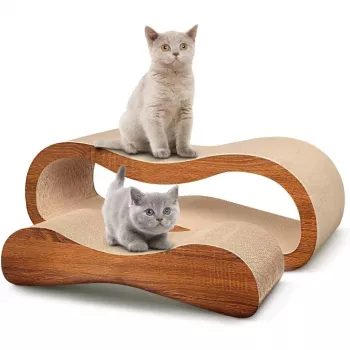
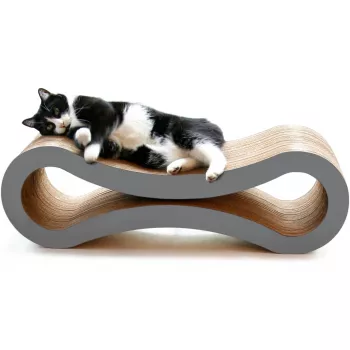
Product option: 2 in 1 Cat Scratcher and Lounge Bed – Durable Cardboard Cat Scratch Board
If you want a simple way to combine daily scratching with a cozy rest zone, 2 in 1 Cat Scratcher and Lounge Bed – Durable Cardboard Cat Scratch Board keeps both needs in one familiar, compact station. It’s a practical choice for cats that prefer horizontal scratching and for homes where space is at a premium.
More in-stock picks for a comfortable home setup
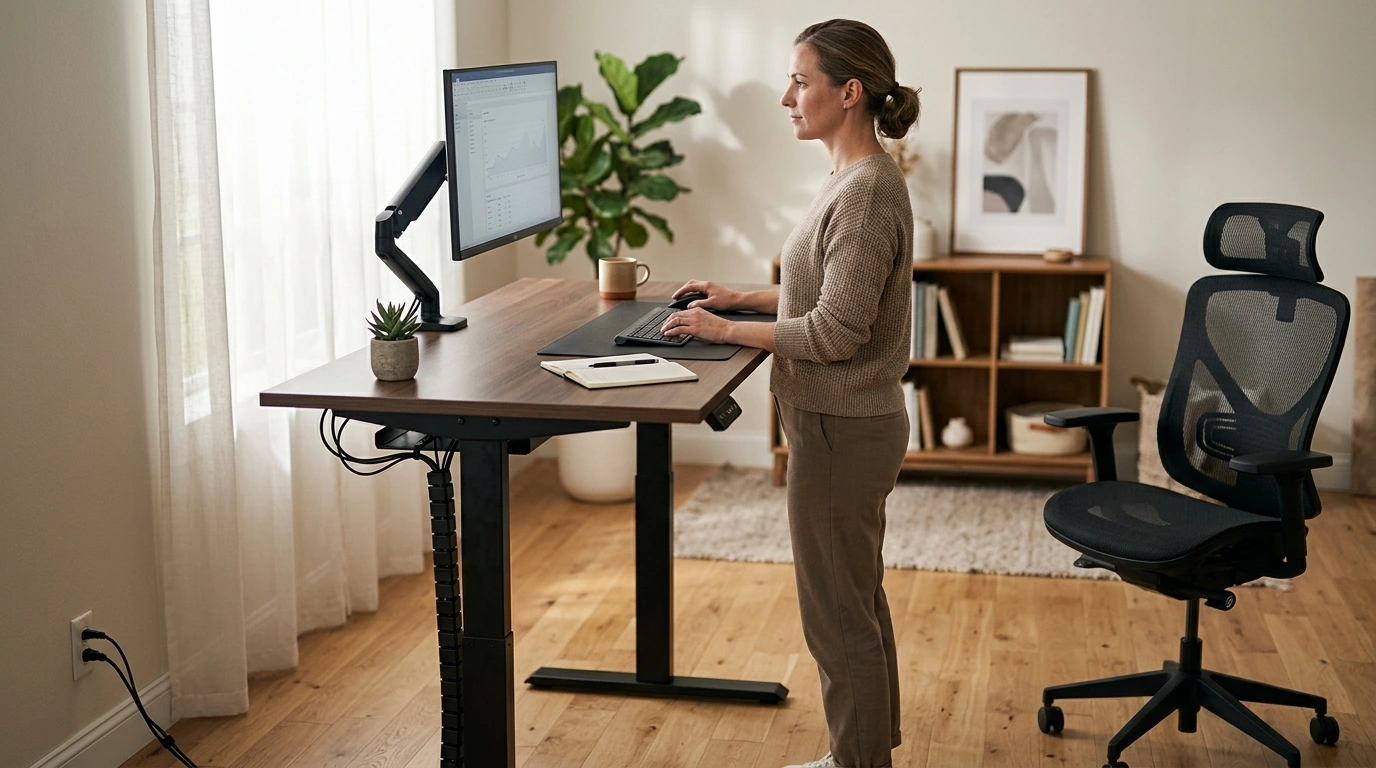
- Electric Height-Adjustable Standing Desk for a flexible work area while your cat lounges nearby.
- Wireless Earbuds with Bluetooth 5.4, 75H Playtime, ENC Mic, IPX7 Waterproof to stay hands-free during playtime and training.
FAQ
Is a cardboard scratch board messy?
Some cardboard crumbs are normal, especially with enthusiastic scratchers. Denser cardboard tends to shed less, and quick vacuuming or shaking the board out every few days keeps cleanup easy.
How do you get a cat to use a scratcher instead of the couch?
Place the scratcher right next to the couch where scratching already happens, make it stable, and reward your cat for using it (treats or catnip if they like it). Temporarily covering the favorite couch corner helps the new habit stick without using punishment.
How long does a cardboard scratcher usually last?
It depends on your cat’s weight, how often they scratch, and the cardboard’s density, but many last from a few weeks to several months. Replace it when the surface is overly shredded, no longer satisfying to scratch, or the board feels unstable.









Leave a comment