A 4-Part Anxiety Routine: Mindfulness, Prompts, Checklist

The Anxiety Relief Bundle: A Path to Calm — A Simple 4-Part Routine for Steadier Days
Anxiety often spikes when the mind, body, and daily routines feel out of sync. The Anxiety Relief Bundle: A Path to Calm brings four practical tools together—mindfulness exercises, positive thinking prompts, a printable checklist, and a course-style outline—so calming skills are easier to learn, remember, and use when it matters most. Instead of juggling scattered tips, you get a simple rhythm: learn a skill, practice it, reflect, and repeat.
For a helpful overview of anxiety symptoms and how they can show up in everyday life, see the American Psychological Association (APA) — Anxiety.
Who This Bundle Helps Most
- People who feel overwhelmed by racing thoughts and want a structured way to practice calming techniques
- Beginners who want step-by-step guidance rather than piecing together random exercises
- Busy schedules that benefit from printable tools and short, repeatable routines
- Anyone who prefers a blend of skill-building (mindfulness) and mindset support (positive thinking)
- Those who want a plan that can be used at home, at work, or while traveling
It can also pair well with professional care. If you’re exploring evidence-based approaches to mindfulness, the National Center for Complementary and Integrative Health (NCCIH) — Meditation and Mindfulness summarizes research and safety considerations.
What’s Included in the 4-in-1 Bundle
- Mindfulness exercises to reduce reactivity and bring attention back to the present moment
- Positive thinking prompts to challenge unhelpful patterns and support more balanced self-talk
- A printable checklist to make daily practice consistent and easy to track
- A course outline that organizes the materials into a clear learning path
- Designed to be used together: learn a skill, practice it, reflect, and repeat
Bundle Parts and How They Work Together
| Bundle part | Primary purpose | Best time to use | Quick tip |
|---|---|---|---|
| Mindfulness exercises | Calm the nervous system and steady attention | Morning reset or during a stress spike | Start with 2–5 minutes and build gradually |
| Positive thinking prompts | Reduce catastrophic thinking and strengthen coping thoughts | After a worry loop or before sleep | Write one realistic alternative thought, not forced positivity |
| Printable checklist | Create consistency and track wins | Daily (same time each day if possible) | Mark effort, not perfection |
| Course outline | Turn tools into a repeatable routine | Weekly planning session | Pick one theme per week (sleep, work stress, social anxiety, etc.) |
How to Use the Bundle Without Feeling Overwhelmed
- Choose one small daily anchor: 5 minutes of mindfulness, one prompt, or one checklist item
- Pair practice with an existing habit (coffee/tea, lunch break, brushing teeth, end-of-work shutdown)
- Use “minimums” on hard days (example: one slow breath cycle + one sentence of balanced self-talk)
- Avoid stacking too many changes at once; consistency matters more than intensity
- Keep materials visible: printed pages on a clipboard or a dedicated folder
A practical way to stay consistent is to decide what “counts” ahead of time. For example: if you do one mindfulness track and answer one prompt, you’ve completed the day. That’s enough to keep the habit alive and reduce the all-or-nothing cycle that anxiety often fuels.
A Gentle 7-Day Starter Plan
- Day 1: Read the course outline and pick one main goal (sleep, concentration, or fewer panic spikes)
- Day 2: Practice a short mindfulness exercise and note one body sensation that softens afterward
- Day 3: Complete one positive thinking prompt focused on a current worry
- Day 4: Use the printable checklist to track one calming habit and one trigger you noticed
- Day 5: Combine tools: mindfulness first, then a prompt to reframe the most common thought loop
- Day 6: Review wins from the checklist; keep what worked and remove what felt unrealistic
- Day 7: Set a plan for next week (same routine, slightly longer mindfulness, or a new prompt theme)
Keep day-to-day expectations small. Week one is about building familiarity and lowering friction, not “fixing” anxiety. Many people notice progress as shorter spirals, easier recovery after stress, and a clearer sense of what helps.
Building a Calmer Environment to Support the Routine
- Reduce friction: keep practice tools within reach (desk, bedside, or travel bag)
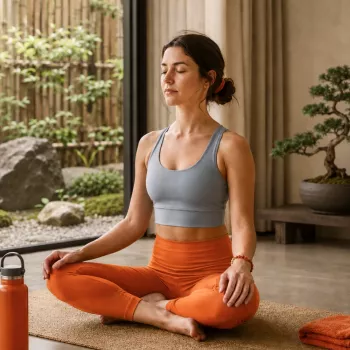
- Create a “reset corner” with minimal clutter and a comfortable seat
- Use gentle audio (white noise, nature, or guided practice) during mindfulness sessions
- If work stress contributes to tension, consider ergonomic improvements that support posture and movement breaks
- A short mid-day reset can be easier with discreet audio and a dedicated 5-minute routine
If guided audio makes it easier to focus, consider pairing your sessions with Wireless Earbuds with Bluetooth 5.4 for guided mindfulness sessions—especially helpful for workplace resets or travel. For desk-based stress, a movement-friendly setup can support your routine; an Electric Height-Adjustable Standing Desk for healthier movement breaks makes it easier to alternate positions and add short, calming breaks throughout the day.
What Progress Can Look Like (Even When Anxiety Still Shows Up)
When to Get Extra Support
For clinical background and treatment information, the National Institute of Mental Health (NIMH) — Anxiety Disorders is a reliable starting point.
FAQ
Is this bundle better for daily maintenance or for anxiety spikes in the moment?
It works for both. For an in-the-moment spike, use a short mindfulness exercise plus a single prompt to interrupt the worry loop; for maintenance, follow the checklist and course outline to build skills consistently over weeks.
How long should mindfulness practice be to feel benefits?
Start with 2–5 minutes and build gradually as it feels comfortable. Consistency tends to matter more than duration, and benefits vary by person and situation.
Does positive thinking mean ignoring real problems?
No—this style of positive thinking focuses on balanced, realistic self-talk rather than denial. For example, replace “This will be a disaster” with “This is hard, but I can take one step and ask for help if I need it.”











Leave a comment