Solo Travel Safety Plan: Habits, Scams & Checklist
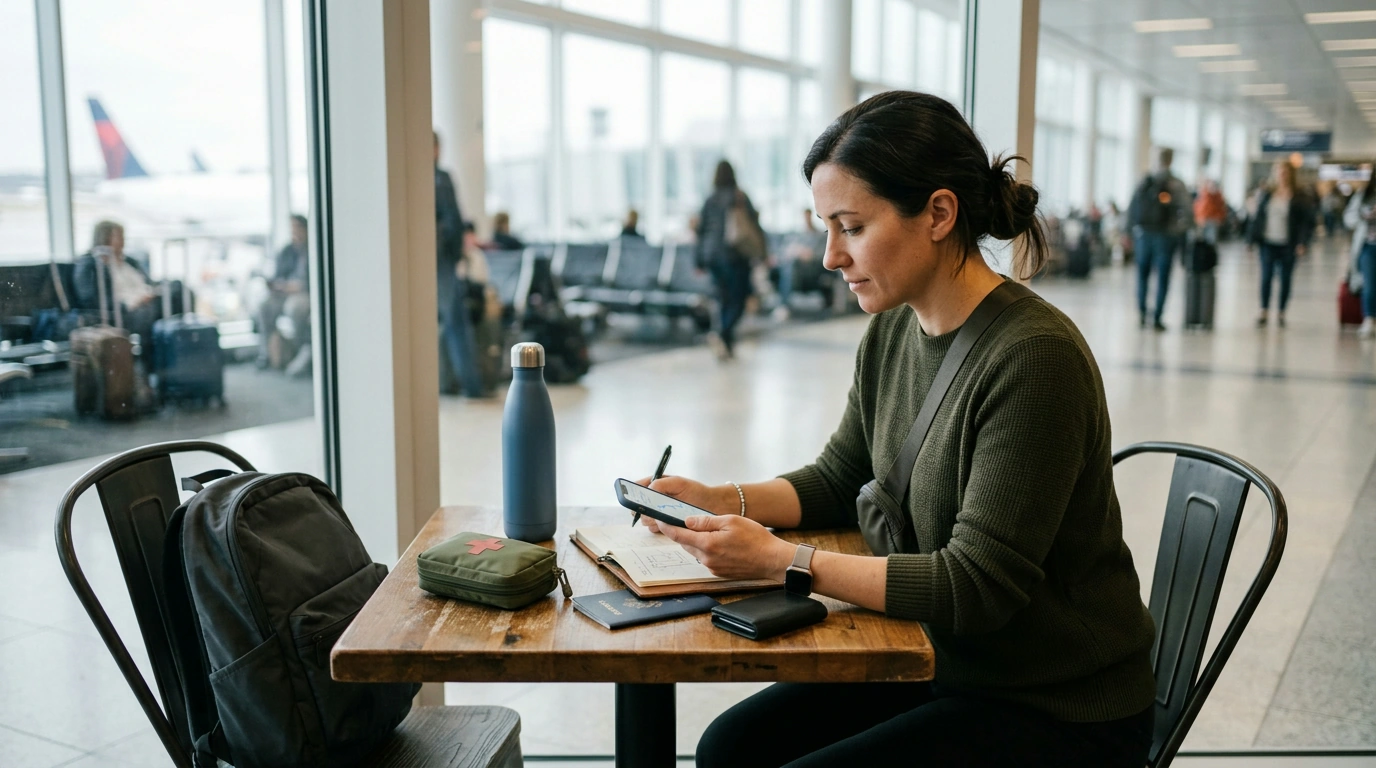
Solo Traveler’s Guide to Staying Safe: Practical Planning, Smart Habits, and a Ready-to-Use Checklist
Solo travel can feel freeing and empowering, and it also asks for a little extra structure. A solid safety plan reduces uncertainty so attention can stay on the experience itself. The guidance below focuses on realistic risk prevention, simple routines, and a checklist-style approach you can use before departure, on transit days, at your lodging, and while exploring.
Start With a Personal Risk Snapshot
Safety looks different depending on the destination, the kind of trip, and your comfort level. Before booking details pile up, take five minutes to define what “safe enough” means and what you’re not willing to compromise on.
- Define your comfort limits: night transit, remote hikes, nightlife, or shared accommodations.
- Map the most likely issues: petty theft, scams, transportation confusion, alcohol-related situations, and medical needs.
- Set non-negotiables: don’t share real-time location publicly, don’t enter private residences with strangers, and leave if instincts flag a situation.
- Pick a check-in cadence with a trusted contact and decide what triggers escalation (missed check-ins, route changes, phone dead).
| Area | Questions to answer | Your plan |
|---|---|---|
| Arrival & transit | How will you get from airport/station to lodging? What’s the backup if it falls through? | Pre-booked ride + offline map + cash buffer |
| Lodging | Who has access? What’s the neighborhood like at night? What’s the exit route? | Choose staffed front desk + door wedge + alternate exit noted |
| Money & documents | Where are backups stored? What happens if phone or wallet is stolen? | 2 cards split locations + scanned docs in secure cloud |
| Health | What’s your medical baseline? How do you handle medication and emergencies? | Travel insurance + local emergency numbers saved |
| Communication | How will you stay reachable without roaming? | eSIM + WhatsApp/Signal + scheduled check-ins |
Pre-Trip Security Planning That Actually Gets Used
The best plan is the one you’ll follow when tired, jet-lagged, or rushed. Keep the setup simple, repeatable, and easy to access from your phone and a backup copy.
- Document backups: save scans/photos of passport, visa, insurance card, and prescriptions in a secure password manager or encrypted drive.
- Account protection: enable multi-factor authentication, update recovery email/phone, and set a strong device passcode.
- Connectivity plan: choose eSIM/SIM, roaming, or Wi-Fi-only; download offline maps and key translations.
- Money strategy: split funds across at least two cards; notify banks when needed; store emergency cash separately.
- Insurance basics: confirm coverage for medical care, trip disruption, and theft; save insurer contact methods.
For destination-specific advisories and entry requirements, check the U.S. Department of State’s international travel guidance. For health recommendations and vaccine guidance, use CDC Travelers’ Health.
Packing for Safety Without Overpacking
Overpacking can create its own risk: more items to track, more time with your bag open, and more chance something valuable gets exposed. Aim for a small set of essentials plus habits that reduce opportunities for theft.
- Carry-on essentials: copies of key documents, minimal valuables, a small medical kit, and a backup payment method.
- Anti-theft habits beat anti-theft gear: keep your phone in a front pocket/bag, avoid open totes in crowds, and limit what’s visible.
- Small tools that help: a door wedge or portable alarm (where legal), optional RFID, and a discreet crossbody bag to reduce grab risk.
- Clothing choices: blend in where possible; wear comfortable shoes for quick exits; skip flashy accessories.
Arrival Day: The Highest-Distraction Window
Arrival is when decision fatigue and “tourist tells” are highest. A simple script keeps you from negotiating logistics in public while juggling luggage.
- Before stepping into busy areas, confirm your route and method to lodging; don’t debate plans with your bag open.
- Use official transport channels when possible; verify license plates/driver info for rideshare and sit in the back seat when appropriate.
- Keep one hand for awareness: don’t walk while staring at your phone—pause in a safe spot to check maps.
- If something feels off (price changes, pressure, isolation tactics), exit and reset in a populated, well-lit area.
Lodging Safety: Simple Routines That Prevent Most Problems
Daily Movement: Situational Awareness Without Anxiety
Common Scams and Pressure Tactics to Recognize Early
When Something Goes Wrong: A Calm, Repeatable Response Plan
Ready-to-Use Checklist (Printable and Mobile-Friendly)
| Moment | Top checks | Done |
|---|---|---|
| Before booking | Neighborhood review, transit options, staffed lodging preference | ⬜ |
| 48 hours before | Copies of docs, MFA, insurance, check-in plan | ⬜ |
| Arrival | Verified transport, offline map, valuables secured | ⬜ |
| Each morning | Route + backup, cash split, battery charged | ⬜ |
| Each night | Safe return plan, door secured, essentials staged | ⬜ |
Tools That Make the Routine Easier
- Solo Traveler’s Guide to Staying Safe (Digital Download PDF) — planning prompts, daily routines, scam awareness, and a quick response plan you can save to your phone or print.
- Wireless Earbuds with Bluetooth 5.4, 75H Playtime, ENC Mic, IPX7 Waterproof — useful for taking calls hands-free, listening to navigation discreetly, and staying reachable without holding your phone out in busy areas.
FAQ
What are the most important safety steps for a first solo trip?
Prioritize an arrival plan you can follow without improvising, keep document and payment backups, and run a simple daily routine (route plan + check-in). Consistent habits—like keeping lodging details private—usually matter more than extra gear.
How can a solo traveler share location without giving up privacy?
Share location only with trusted contacts, use time-limited sharing when possible, and avoid real-time public posting. A scheduled check-in plan with a clear escalation step protects privacy while still creating accountability.
What should you do immediately if your phone is stolen while traveling alone?
Lock and locate the device right away, change critical passwords, and contact your carrier to suspend service. Freeze any cards connected to your mobile wallet and switch to backup navigation and communication options.












Leave a comment